Guides Tagged as "Business"
← All guides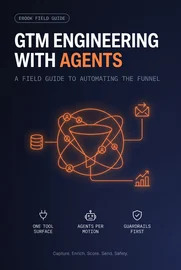
GTM Engineering with Agents: A Field Guide to Automating the Funnel
Every go-to-market team is really running a handful of pipelines. Leads come in, get cleaned up, get scored, get worked, and either turn into revenue or quietly rot. Most of that…
AgentsAIAutomationBusiness
Read guide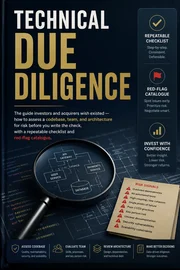
Technical Due Diligence
The guide investors and acquirers wish existed, how to assess a codebase, team, and architecture for risk before you write the check, with a repeatable checklist and red-flag…
BusinessLeadership
Read guide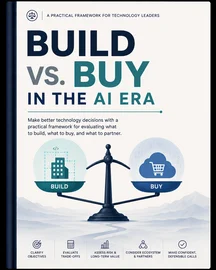
Build vs. Buy in the AI Era
A decision framework for founders drowning in "should we build this with AI or pay for it", when to build, when to buy, when to wait, and how the economics changed once agents…
AIBusiness
Read guide
The Agentic Solopreneur
Every piece of good advice about running a business alone used to come back to one constraint: there is one of you, and you have a fixed number of hours. Don't build software that…
BusinessCareer
Read guide