Guides Tagged as "Backend"
← All guides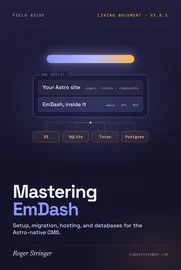
Mastering EmDash: Setup, Migration, Hosting, and Databases for the Astro-Native CMS
EmDash is what happens when someone rebuilds the WordPress idea from scratch for 2026: a TypeScript CMS that lives inside your Astro app, runs on Cloudflare Workers or any Node…
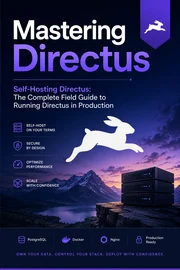
Mastering Directus
Directus has quietly become the first thing I reach for on almost every project, and not just as a headless CMS. Point it at a Postgres database and you get an instant REST and…
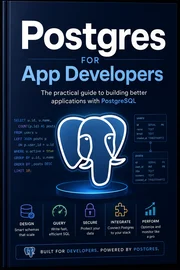
Postgres for App Developers
Not DBA theory, the 20% of Postgres that carries 80% of real apps: schema design, indexing, transactions, the query patterns that matter, and the gotchas that bite in production.
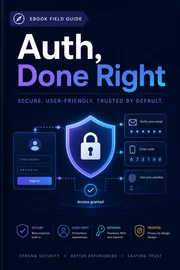
Auth, Done Right
Sessions, cookies, password hashing, and the subtle things people get wrong, a practical, build-along guide to authentication that's secure by default, without reaching for a SaaS.
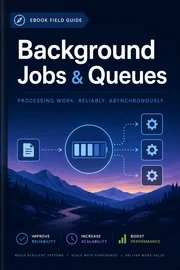
Background Jobs & Queues
The part of every real app nobody teaches well: workers, queues, retries, idempotency, scheduling, and dead-letter handling, built up from first principles into a system you can…
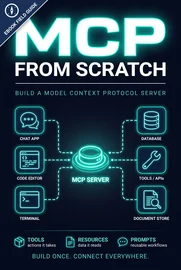
MCP from Scratch
Every AI tool you've wired up by hand (the Slack integration, the database lookup, the "let the model read our docs" hack) is a one-off. You wrote the glue, you own the glue, and…