Guides Tagged as "Architecture"
← All guides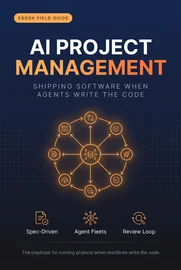
AI Project Management: Shipping Software When Agents Write the Code
Something strange happened to my job this year. The typing got cheap. An agent can turn a paragraph of intent into a working pull request while I refill my coffee, and yet the…
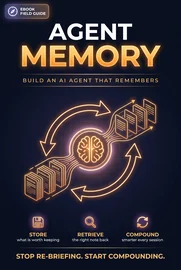
Agent Memory: A Field Guide
Two people give the same agent the same task and get wildly different results. Most of the time it isn't the prompt. It's that one of them gave the agent a memory and the other is…

Agent Guardrails: A Field Guide to Safety & Permissions
Everyone wants an agent they can let run. Hand it a goal, walk away, come back to finished work. The thing standing between you and that is trust, and trust isn't something you…
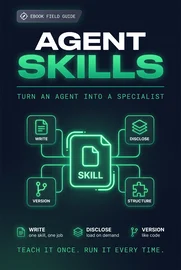
Agent Skills: A Field Guide to the Third Pillar
Your agent can write code. But does it know how your team cuts a release? Can it run your incident playbook the same way twice, or does it improvise something a little different…
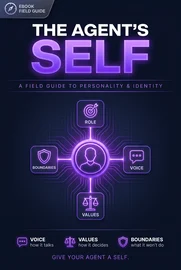
The Agent's Self: A Field Guide to Personality & Identity
Give two people the same agent and the same task and you'll often get two different results. The usual assumption is that the better result came from a better prompt. Just as…
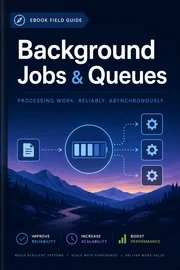
Background Jobs & Queues
The part of every real app nobody teaches well: workers, queues, retries, idempotency, scheduling, and dead-letter handling, built up from first principles into a system you can…
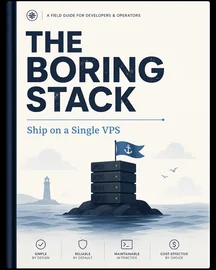
The Boring Stack: Ship on a Single VPS
Deploy and run real apps on one VPS with Coolify, no Kubernetes, no serverless. Self-hosted PaaS, databases, TLS, backups, and zero-downtime deploys on a box you own.
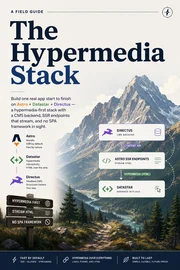
The Hypermedia Stack
Build one real app start to finish on Astro + Datastar + Directus, a hypermedia-first stack with a CMS backend, SSR endpoints that stream, and no SPA framework in sight.