Guides Tagged as "Agents"
← All guides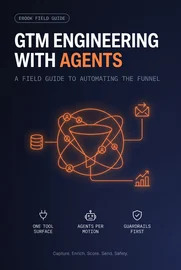
GTM Engineering with Agents: A Field Guide to Automating the Funnel
Every go-to-market team is really running a handful of pipelines. Leads come in, get cleaned up, get scored, get worked, and either turn into revenue or quietly rot. Most of that…
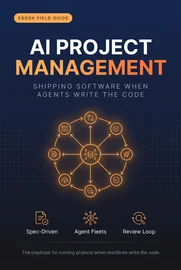
AI Project Management: Shipping Software When Agents Write the Code
Something strange happened to my job this year. The typing got cheap. An agent can turn a paragraph of intent into a working pull request while I refill my coffee, and yet the…
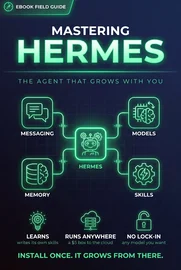
Mastering Hermes
Most of this series treats Hermes as the place its ideas land. Building Your Agentic OS pivots to it, Running the Fleet orchestrates on it, Self-Hosting the Agentic Stack deploys…
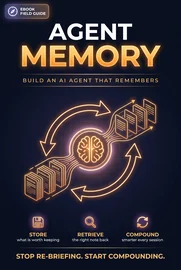
Agent Memory: A Field Guide
Two people give the same agent the same task and get wildly different results. Most of the time it isn't the prompt. It's that one of them gave the agent a memory and the other is…
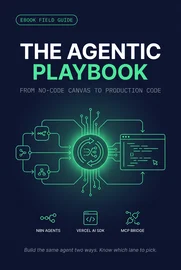
The Agentic Playbook
Everyone agrees you should be building agents. Nobody agrees on how. One camp says drag nodes on a canvas and ship this afternoon. The other says real agents live in code, in your…
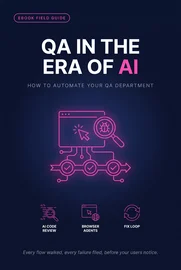
QA in the Era of AI
I've worked at companies with entire QA departments: rooms of people clicking through the same flows before every release, filing tickets, arguing about repro steps. Most of that…
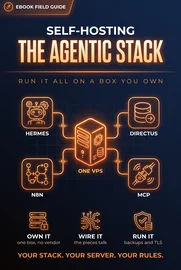
Self-Hosting the Agentic Stack: A Field Guide
You can build all of this on someone else's servers. Rent an agent platform, a managed database, a hosted automation tool, pay per task, and watch your data flow through systems…

Agent Guardrails: A Field Guide to Safety & Permissions
Everyone wants an agent they can let run. Hand it a goal, walk away, come back to finished work. The thing standing between you and that is trust, and trust isn't something you…
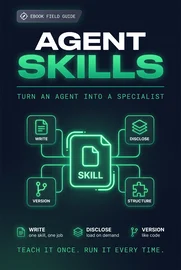
Agent Skills: A Field Guide to the Third Pillar
Your agent can write code. But does it know how your team cuts a release? Can it run your incident playbook the same way twice, or does it improvise something a little different…
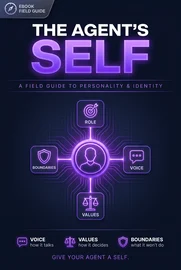
The Agent's Self: A Field Guide to Personality & Identity
Give two people the same agent and the same task and you'll often get two different results. The usual assumption is that the better result came from a better prompt. Just as…

Roll Your Own Coding Agent
Build a minimal coding agent from scratch (the tool-calling loop, context, and the Guide/Generate/Verify/Solve cycle in real code) so you understand exactly what's under Claude…
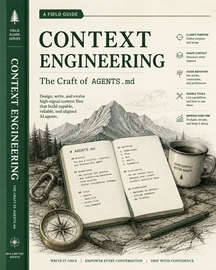
Context Engineering: The Craft of AGENTS.md
A build-along on writing, structuring, and evolving the context files (AGENTS.md, CLAUDE.md, constitution.md) that steer coding agents. From a blank file to a living system that…
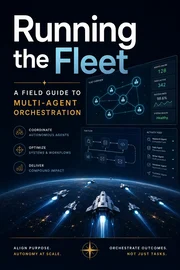
Running the Fleet: A Field Guide to Multi-Agent Orchestration
You built one agent that knows you cold. Its own personality, a memory that survives, skills it runs your way. It's a great employee. It's also still one employee, doing one thing…
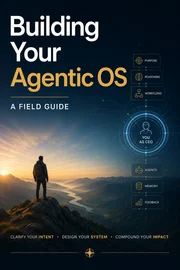
Building Your Agentic OS: A Field Guide
Two people can use the exact same AI agent and get wildly different results. It's almost never the prompting. One of them built a system underneath the tool (a layer that gives…
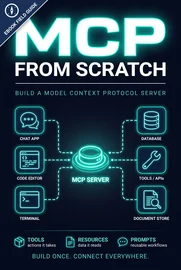
MCP from Scratch
Every AI tool you've wired up by hand (the Slack integration, the database lookup, the "let the model read our docs" hack) is a one-off. You wrote the glue, you own the glue, and…